

How do I adjust the fit of ski gloves?
Leave a message

As a ski gloves supplier, I understand that the proper fit of ski gloves is crucial for a comfortable and safe skiing experience. In this blog, I'll share some insights on how to adjust the fit of ski gloves, drawing from my experience in the industry.
Why a Proper Fit Matters
Before diving into the adjustment methods, it's important to understand why a proper fit is essential. Well - fitting ski gloves provide better insulation. When gloves are too loose, cold air can seep in, reducing the effectiveness of the insulation. On the other hand, gloves that are too tight can restrict blood circulation, leading to cold fingers and discomfort. A good fit also enhances dexterity, allowing you to handle ski poles, adjust your gear, and operate lift tickets with ease.
Measuring for the Right Size
The first step in getting the right fit is accurate measurement. You'll need a flexible measuring tape. Measure around the widest part of your hand, usually across your knuckles, excluding your thumb. Compare this measurement with the size chart provided by the ski glove manufacturer. Most manufacturers offer a range of sizes from small to extra - large, and some even have extended sizing options.
It's also important to consider the length of your fingers. Some people may have longer or shorter fingers relative to their hand width. If you have long fingers, you might want to consider sizing up slightly to ensure that your fingertips don't feel cramped.
Adjusting the Wrist Closure
One of the most common ways to adjust the fit of ski gloves is through the wrist closure. Most ski gloves come with either a Velcro or a buckle closure at the wrist.
If your gloves are too loose at the wrist, you can tighten the closure. For Velcro closures, simply press the Velcro strips together more firmly. Make sure it's tight enough to prevent snow and cold air from getting in, but not so tight that it cuts off circulation. You should be able to wiggle your fingers easily and feel a slight pressure around your wrist.
If the gloves are too tight at the wrist, loosen the closure. For Velcro, peel the strips apart slightly. For buckle closures, release the buckle and adjust the strap to a looser setting. A properly adjusted wrist closure not only keeps your hands warm but also helps to keep the glove in place while you're skiing.
Adjusting the Cuff
The cuff of the ski glove can also be adjusted to improve the fit. Some ski gloves have an adjustable cuff that can be tightened or loosened. This is especially useful if you want to prevent snow from getting inside your gloves.
If the cuff is too loose, you can use the adjustment mechanism, which might be a drawstring or a Velcro tab. Pull the drawstring tight or fasten the Velcro tab to reduce the opening of the cuff. This will create a seal around your wrist and forearm, keeping snow out.
Conversely, if the cuff is too tight, you can loosen the drawstring or release the Velcro tab. A comfortable cuff should allow you to move your wrist freely without feeling restricted.
Fitting Gloves with Liners
Many ski gloves come with removable liners. Liners can add an extra layer of warmth and can also affect the fit of the glove.
If your gloves feel too tight with the liner in, you might want to consider using a thinner liner. There are different thicknesses of liners available on the market, from lightweight fleece liners to thick, insulated liners. A thinner liner will take up less space inside the glove, giving your fingers more room to move.
On the other hand, if your gloves are too loose, you can try using a thicker liner. This will fill up the extra space and provide a snugger fit. Just make sure that the liner doesn't bunch up inside the glove, as this can cause discomfort.

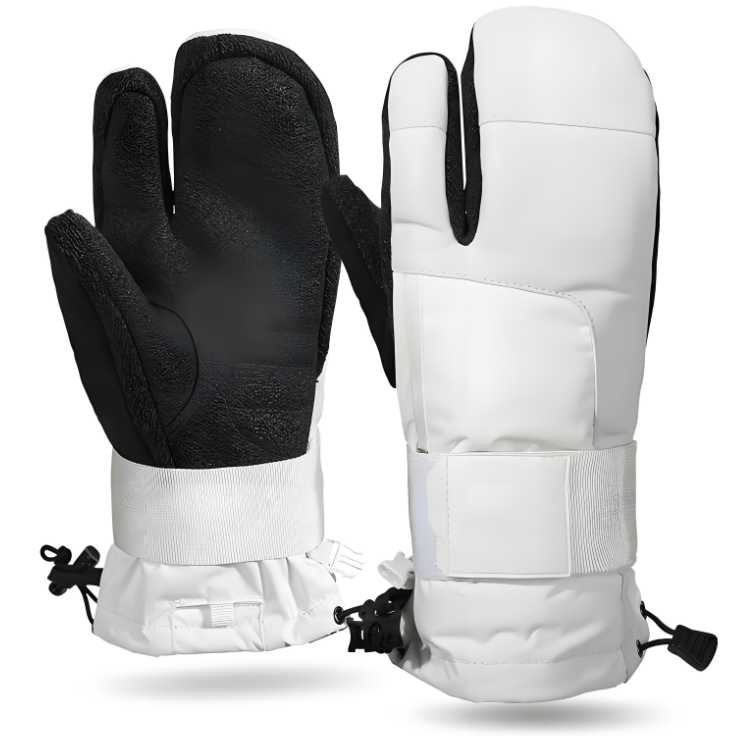
Trying Different Styles of Gloves
Sometimes, the fit issue might be related to the style of the glove. For example, some people prefer mitten - style ski gloves because they provide more warmth by keeping the fingers together. Mittens also tend to have a more forgiving fit compared to gloves with individual finger compartments.
If you're having trouble finding a glove with the right fit for your fingers, you might want to consider trying a mitten. Our Color Block Ski Gloves come in both glove and mitten styles, allowing you to choose the one that suits you best.
Three - finger gloves are another option. Our Warm Ski Three - finger Gloves and Non - slip Ski Three - finger Gloves combine the warmth of mittens with the dexterity of gloves. The three - finger design keeps the thumb separate for better grip, while the other three fingers are grouped together for warmth.
Breaking In New Gloves
New ski gloves often need to be broken in. They may feel stiff and a bit tight at first, but with use, they will gradually mold to the shape of your hand.
To speed up the breaking - in process, you can wear the gloves around the house for a few hours each day. Move your fingers and hands as much as possible, as if you were skiing. This will help to stretch the material and make the gloves more comfortable.
It's also a good idea to try on your ski gloves with all the gear you'll be wearing on the slopes, such as your ski jacket sleeves. Make sure that the gloves fit well over your jacket sleeves and that there are no restrictions in movement.
Conclusion
Adjusting the fit of ski gloves is a combination of accurate measurement, proper adjustment of closures and cuffs, choosing the right liner, and considering different glove styles. A well - fitting pair of ski gloves can make a significant difference in your skiing experience, keeping your hands warm, dry, and comfortable.
If you're in the market for high - quality ski gloves, we offer a wide range of options to suit different needs and preferences. Whether you're a beginner or an experienced skier, we have the perfect pair of gloves for you. If you have any questions about sizing, fit, or our products, feel free to reach out to us. We're always happy to assist you with your purchasing decisions and look forward to discussing potential procurement opportunities with you.
References
- Ski Equipment Handbook: A Guide to Choosing and Using Ski Gear. 2022 Edition.
- Winter Sports Safety Manual: Focus on Hand Protection. Published by a leading winter sports safety organization.


