

What are the signs that my cycling gloves need to be replaced?
Leave a message

As a cycling gloves supplier, I've seen firsthand how important it is for cyclists to have the right gear. Cycling gloves are not just an accessory; they play a crucial role in enhancing comfort, grip, and safety during rides. However, like any piece of equipment, cycling gloves have a lifespan. Knowing when to replace your cycling gloves is essential to ensure you're getting the most out of your ride. In this blog, I'll share some signs that indicate it's time to swap out your old gloves for a new pair.
Wear and Tear on the Material
One of the most obvious signs that your cycling gloves need to be replaced is visible wear and tear on the material. Over time, the constant friction against the handlebars, exposure to sweat, and general use can take a toll on the gloves. You might notice fraying at the edges, holes developing in the palm or fingers, or the fabric starting to thin out.
Fraying edges can be more than just an aesthetic issue. They can cause irritation to your skin as the loose threads rub against your hands. Holes in the palm area are particularly problematic as they reduce the gloves' ability to provide cushioning and grip. If you find yourself constantly adjusting your gloves because they're no longer fitting snugly due to the material breakdown, it's a clear indication that it's time for a replacement.
Diminished Grip
A good pair of cycling gloves should provide a reliable grip on the handlebars, especially during wet or strenuous rides. If you start to notice that your gloves are slipping more often than usual, it could be a sign that the grip material has worn out. The non - slip surfaces on cycling gloves are designed to maintain traction, but with repeated use, these surfaces can lose their effectiveness.
Rain and sweat can also accelerate the degradation of the grip. If you frequently ride in wet conditions, the moisture can seep into the gloves and break down the grip - enhancing compounds. When you feel like you're struggling to keep a firm hold on the handlebars, even on dry days, it's a red flag that your gloves are no longer performing as they should. Consider exploring our Non - slip Cycling Three - finger Gloves for a reliable solution.
Loss of Cushioning
Cycling gloves are equipped with cushioning to reduce the impact on your hands from vibrations and rough terrain. Over time, this cushioning can compress and lose its ability to absorb shock. If you start to feel more discomfort in your hands during rides, such as numbness, tingling, or pain, it could be due to the lack of proper cushioning.
The padding in cycling gloves is typically made of foam or gel materials. Foam padding can flatten out after repeated use, while gel padding can dry out and lose its elasticity. When you can no longer feel the difference between wearing your gloves and riding without them in terms of comfort, it's a sign that the cushioning has diminished. Our Cycling Three - finger Gloves are designed with high - quality cushioning to provide long - lasting comfort.
Unpleasant Odor
Sweat is a natural by - product of cycling, and it can accumulate in your gloves over time. If your gloves start to emit a strong, unpleasant odor that doesn't go away even after washing, it's a sign that bacteria and fungi have started to grow inside them. This not only makes your gloves unpleasant to wear but can also pose a health risk.
The warm, moist environment inside sweaty gloves is the perfect breeding ground for microbes. These organisms can cause skin infections and other health issues. If you've tried multiple methods of cleaning your gloves, such as using specialized sports detergents or soaking them in vinegar solutions, and the odor persists, it's best to replace them.
Poor Fit
A proper fit is essential for cycling gloves. If your gloves are too loose, they won't provide adequate support and grip. On the other hand, if they're too tight, they can restrict blood circulation and cause discomfort. Over time, the elastic bands and closures on cycling gloves can stretch or break, leading to a poor fit.
You might notice that your gloves are constantly slipping down your hands or that they're so tight that your fingers are turning purple. A poor - fitting glove can also cause blisters and calluses. If you've adjusted the straps and closures as much as possible but still can't get a comfortable fit, it's time to invest in a new pair. Our Five Finger Fleece - lined Cycling Gloves come in a variety of sizes to ensure a perfect fit.
Color Fading and Discoloration
While color fading might seem like a cosmetic issue, it can also be an indication of the gloves' overall degradation. Exposure to sunlight, sweat, and cleaning agents can cause the colors of your cycling gloves to fade. In some cases, discoloration can also be a sign of chemical reactions or the growth of mold and mildew.
Faded gloves might not perform as well as they once did, as the fading can be a sign that the protective coatings and treatments on the fabric have worn off. If your gloves look dull and discolored, it's a good idea to consider replacing them.
Compromised Ventilation
Cycling gloves are designed with ventilation features to keep your hands cool and dry during rides. If you start to feel that your hands are constantly sweaty and hot inside the gloves, it could mean that the ventilation channels have become blocked or the breathable fabric has lost its effectiveness.
Blocked ventilation can lead to discomfort and an increased risk of blisters. The accumulation of sweat can also cause the gloves to smell bad and promote the growth of bacteria. If you've cleaned your gloves and still can't get them to ventilate properly, it's a sign that the ventilation system has failed, and you need new gloves.
Inability to Clean
Regular cleaning is important to maintain the performance and longevity of your cycling gloves. However, if your gloves have become so dirty and stained that they can't be cleaned effectively, it's a sign that they're past their prime. Stubborn stains, especially those caused by grease, oil, or dirt from the road, can penetrate deep into the fabric and be impossible to remove.
If you've followed the manufacturer's cleaning instructions and still can't get your gloves looking and smelling fresh, it's time to replace them. A clean pair of gloves not only looks better but also performs better.

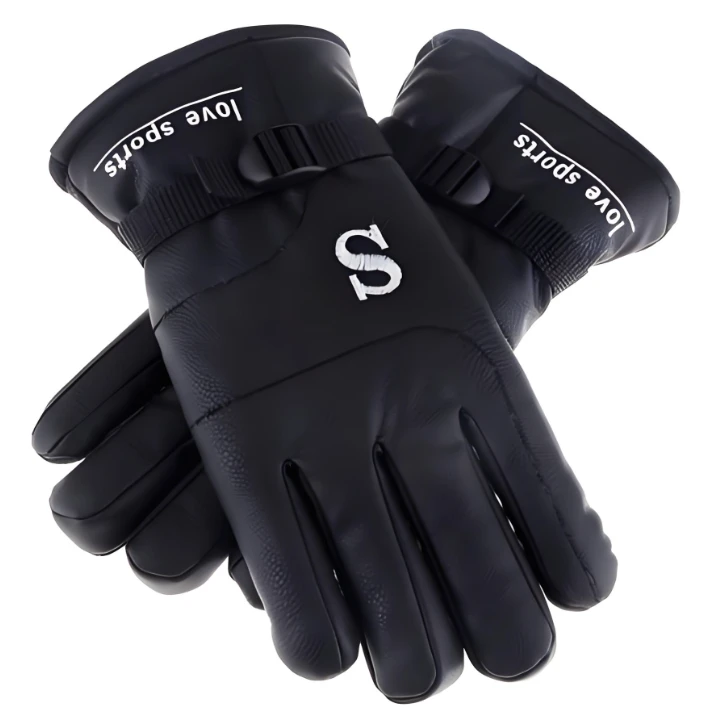
In conclusion, keeping an eye out for these signs can help you determine when it's time to replace your cycling gloves. As a cycling gloves supplier, I understand the importance of having high - quality gloves for an enjoyable and safe cycling experience. If you're in the market for new cycling gloves, we offer a wide range of options to suit your needs. Whether you're a casual rider or a professional cyclist, our gloves are designed to provide the comfort, grip, and durability you require.
If you're interested in purchasing our cycling gloves or have any questions about our products, we encourage you to reach out for a procurement discussion. We're committed to providing you with the best cycling gear at competitive prices.
References
- Cycling Industry Magazine: "The Importance of Proper Cycling Gear Maintenance"
- Sports Equipment Research Journal: "Longevity and Performance of Cycling Gloves"
- American Cycling Association: "Tips for Choosing and Caring for Cycling Gloves"


